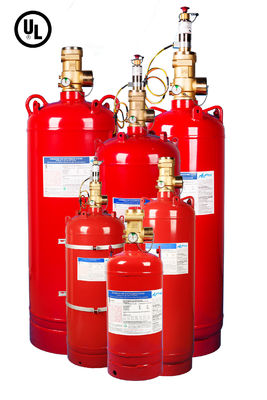
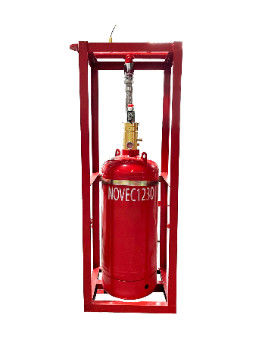
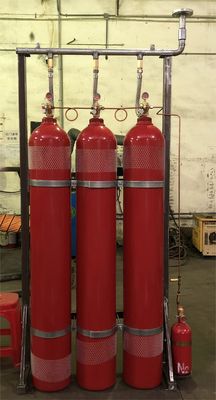
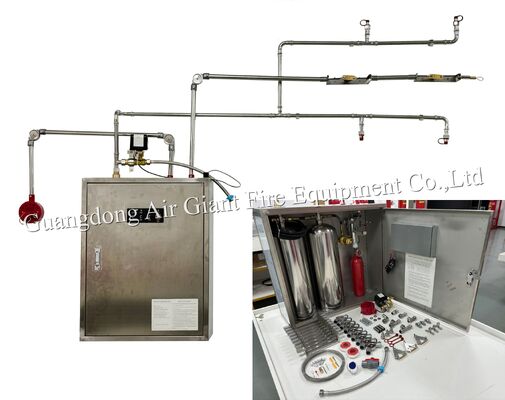
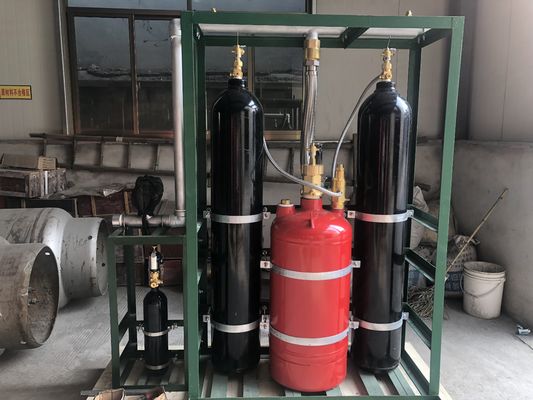
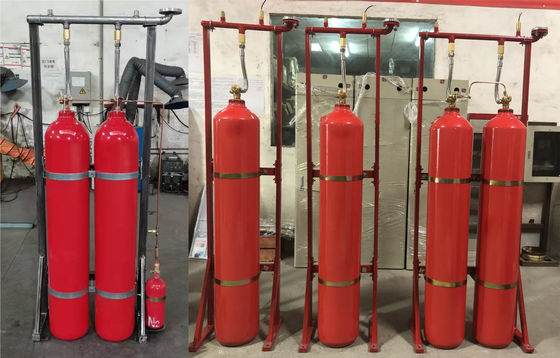
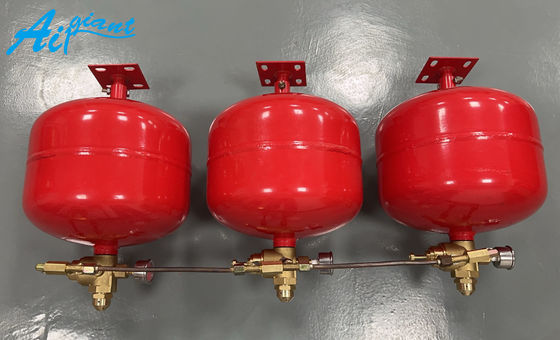
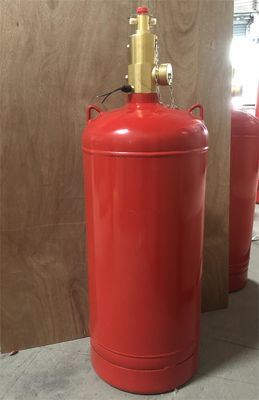
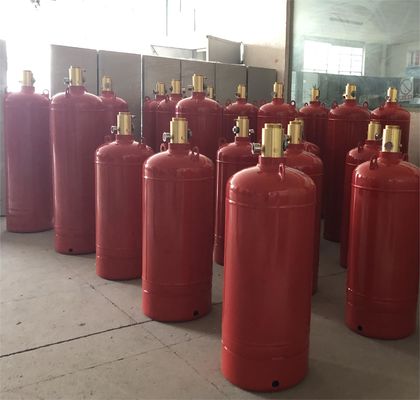
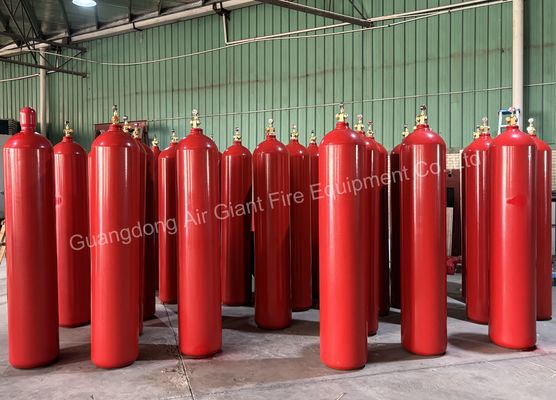
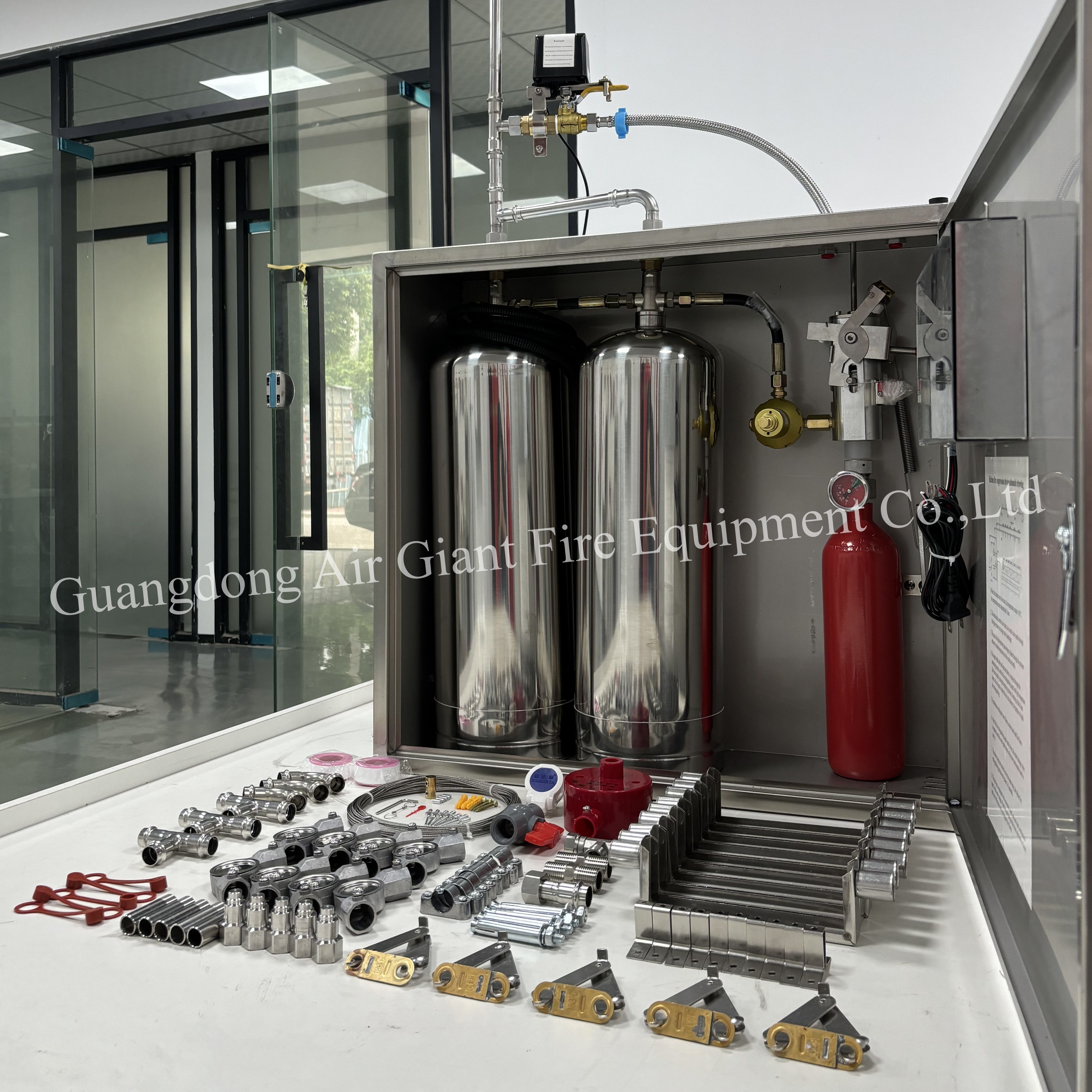
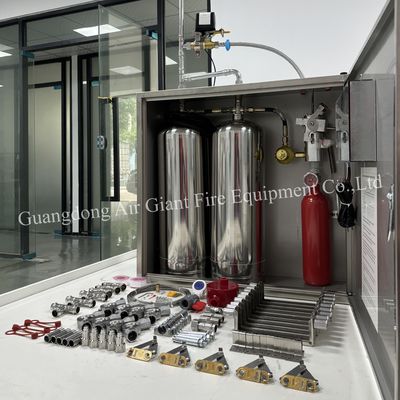
Dwucylindrowy system gaśniczy przeciwpożarowy do kuchni
***Opis układu przeciwpożarowego kuchni
Sposób aktywacji:
1.Automatyczna metoda aktywacji:
1.1Wykrywanie cieplne: Gdy w kuchennym garnku pali się ogień, ciepło wygenerowane przez płomienie spowoduje wzrost temperatury wewnątrz maszyny.Kiedy temperatura osiągnie wstępnie ustawiony próg cieplny układu gaśniczego (zwykle od 183°C do 185°C), detektor cieplny zostanie automatycznie odłączony, co spowoduje automatyczne uruchomienie systemu gaśniczego.
1.2Uwolnienie środka gaśniczego: po uruchomieniu układu gaśniczego uwalnia środki gaśnicze (takie jak proszek suchy, środki na bazie wody itp.) przez dysze atomujące,Spryskiwanie ich na garnku oleju i wewnątrz maszynyŚrodki te albo reagują chemicznie z palącym się olejem, albo fizycznie go izolują, tworząc warstwę pokrywającą, która odcina dopływ powietrza i gaśnie płomienie.
1.3Chłodzenie: po rozpyleniu środkiem gaśnym system gaśniczy zazwyczaj automatycznie uruchamia zawór przepływu wody,wstrzykiwanie wody na pojemnik olejowy i maskę wydechową w celu ich ochłodzenia i zapobiegania ponownemu zapaleniuWoda chłodząca jest rozpylana przez około dwie minuty, zanim system automatycznie wyłączy wodę.
2.Metoda aktywacji ręcznej
2.1W pierwszych stadiach pożaru lub w przypadku awarii systemu automatycznego uruchamiania, personel znajdujący się na miejscu może ręcznie uruchomić system gaśniczy.
2.2Wykorzystanie urządzenia do ręcznego uruchamiania: postępuj zgodnie z instrukcjami umieszczonymi na urządzeniu w celu usunięcia szpilki bezpieczeństwa, wyciągnięcia pierścienia lub naciśnięcia przycisku,powodując aktywację zaworu napędowego i uwalnianie środka gaścy z butli wysokiego ciśnienia.
2.3Obserwacja efektu gaszenia: po ręcznym uruchomieniu układu gaśniczego należy sprawdzić, czy źródło ognia zostało całkowicie ugaszone, i podjąć niezbędne środki następcze.
3.Metody aktywacji awaryjnej mechanicznej
3.1Potwierdzenie awarii aktywacji automatycznej i ręcznej: jeżeli zarówno automatyczna, jak i ręczna metoda aktywacji nie umożliwiają normalnego uruchomienia urządzenia, można zastosować mechaniczną metodę awaryjnej aktywacji.
3.2Działanie zaworu napędowego mechanicznego: ręczne uruchomienie uchwytu zaworu napędowego w celu otwarcia zaworu napędowego mechanicznego, uwalnianie środka gaśniczego w celu gaszenia pożaru.
*** SkładnikiSystem przeciwpożarowy kuchni
Główne elementy układu gaśniczego kuchni obejmują:
✅ Komponenty wykrywające ( czujniki termiczne)
✅ Komponenty magazynowania i uwalniania środków przeciwpożarowych (zbiornik magazynowy, zawory, gaz napędowy)
✅ System rozładowania (rury, dysze)
✅ Wzajemnie połączone elementy sterujące (wyłączenie gazu, alarm, odcięcie zasilania)
✅ Akcesoria pomocnicze (ciśnieniomierz, filtr, uchwyty do mocowania)
*** Zasada działania układu przeciwpożarowego kuchni
** Wykrywanie i aktywacja płomienia
1. Urządzenie do uwalniania cieplnego metalowego kable: gdy garnek oleju na kuchennym kuchenku zapali się,intensywne ciepło płomieni spowoduje, że termicznie rozpuszczalny urządzenie uwalniające metalowe kable rozgrzeje się i oddzieli.
2System wykrywania ciepła: jednocześnie system wykrywania ciepła wykryje płomienie lub wysoką temperaturę, uruchamiając mechanizm uwolnienia systemu gaśniczego kuchni.Podczas tego kroku, system poddaje ciśnieniu pojemnik do przechowywania środka gaśniczego i uruchamia wszystkie pomocnicze urządzenia elektryczne wyłączające (takie jak zawory gazowe) i urządzenia łączące alarm.
** Uwolnienie środka gaśniczego
1.Spray gaśniczający: po uruchomieniu mechanizmu uwalniania płynne środki gaśniczone (np. pianka, proszek suchy,lub innych specjalistycznych środków) są opryskiwane przez dysze na powierzchnie sprzętu kuchennego, a także wnętrze maszyny, filtra tłuszczu i kanałów wydechowych.Te specjalistyczne środki mogą szybko ugasić płomienie w pojemniku olejowym i utworzyć warstwę pokrywającą, aby powstrzymać spalanie par ropy, zapobiegając w ten sposób ponownemu zapaleniu.
2Typ gaśnika: Niektóre systemy gaśnicze kuchenne wykorzystują gaz pod wysokim ciśnieniem do napędzania gaśnika.mechaniczny siłownik przebija butelkę gazową pod wysokim ciśnieniem, uwalniając gaz o wysokim ciśnieniu do zaworu obniżającego ciśnienie.wciśnięcie środka przez rury do dyszek do opryskiwania.
** Chłodzenie i spłukiwanie
1. Aktywacja zaworu rozpylającego wodą: po rozpyleniu środkiem gaśnym systemu zawór rozpylający wodą w systemie otwiera się automatycznie po około 3 do 8 sekundach.
2Woda przepływa przez rury i dysze środków gaśniczych, szybko chłodząc i spłukując powierzchnie oleju i urządzeń kuchennych,zapewnienie całkowitego gaszenia źródła ognia i zapobieganie ponownemu zapaleniu.
** Zresetowanie i kontrola systemu
1. Ręczne zresetowanie: Niektóre systemy gaśnicze w kuchni wymagają ręcznego zresetowania po gaszeniu pożaru, np. ręczne zresetowanie zaworu awaryjnego gazowego do ponownego otwarcia.
2. inspekcja systemu: po każdym użyciu lub okresowo przeprowadzać inspekcje systemu w celu zapewnienia, że urządzenie jest w dobrym stanie roboczym, że środki gaśnicze są wystarczające,i wszystkie elementy są ściśle połączone bez wycieków.

*** Zalety systemu przeciwpożarowego w kuchni
- Tak.Szybka reakcja
- Tak.Zautomatyzowana operacja
- Tak.Skuteczne chłodzenie i zapobieganie ponownemu zapaleniu
- Tak.Bezpieczne i przyjazne dla środowiska
- Tak.Szeroki zakres zastosowania
- Tak.Funkcja samodzielnego diagnozowania
*** WniosekSystem przeciwpożarowy kuchni
1.Przedsiębiorstwa spożywcze:Restauracje i stołówki, hotele i pensjonaty
2.Instytucje i przedsiębiorstwa publiczne:Szkoły i szpitale, jednostki rządowe i przedsiębiorstwa Żywność
3.Specjalne lokalizacje:Wysokiego wzrostu budynki, przemysł specjalny
4.Inne lokalizacje regulowane:Wysoko ryzykowne jednostki straży pożarnej, duży kompleks handlowy
*** Zestawy układów przeciwpożarowych kuchennych
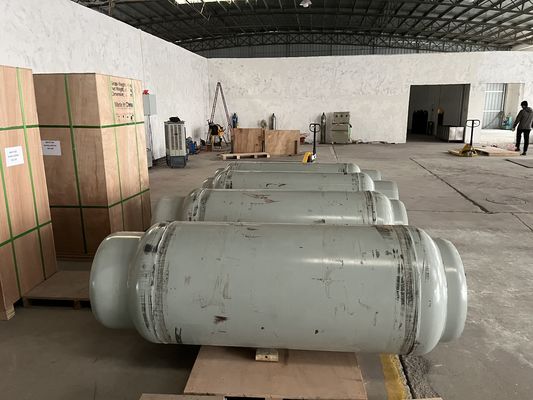
Kiedy produkty są zbyt duże lub klienci potrzebują palety do produktów, zrobimy produkty paletą.Poniższe zdjęcia przedstawiają powszechne opakowania produktów:


 Twoja wiadomość musi mieć od 20 do 3000 znaków!